
Ford
North America~$70M / year
$45M to $84M at 10% to 18% faster cycles.
~12,700 MWh energy saved a year~4,900 t CO₂ avoided a year
- 21 vehicle models
- ~2.7M vehicles a year (2027)
- 53 plastic part types

Mold insulation for the hot runner. Same press, same tool, lower part cost.
Implemented with Apple, Samsung, Ford and more.
Military-grade insulation
Lower part cost first. Energy and CO₂ come with it.
More parts per hour from the same press, same tool.
Lower hot runner temperature, less energy, fewer emissions per part.
Agreed with your supplier up front. Shared savings model.
No upfront cost, no retooling capital, no PPAP (customer re-approval). CSC is paid only from verified savings.



How insulating the hot runner cuts the cycle.
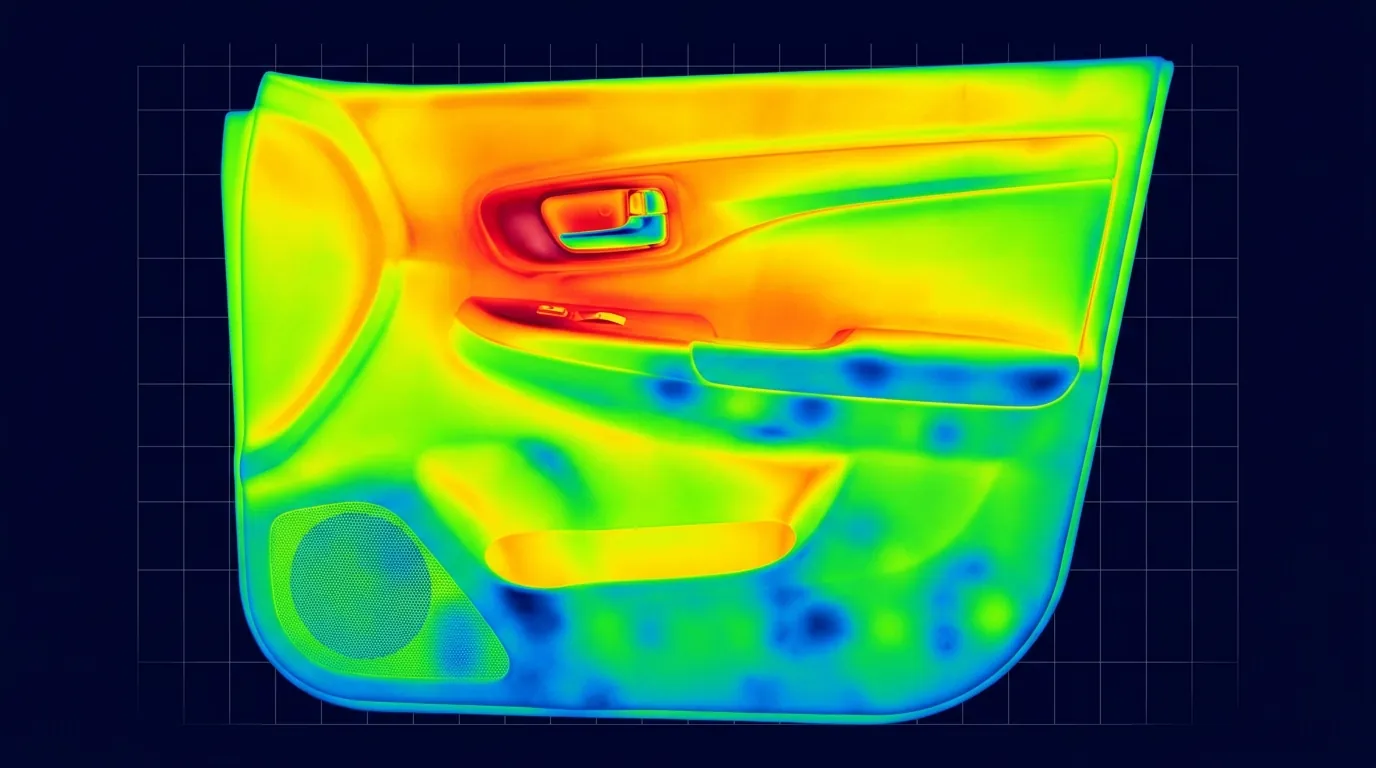
The hot runner manifold leaks heat into the tool, creating cold zones. To keep every zone above melt temperature, the whole hot runner is set about 70°F hotter.
Asbestos: banned. Ceramic boards: too rigid, not durable. Then nothing for 30 years.
Survives 2000°F. Lasts the life of the tool. Installs during a normal changeover.
An evenly heated hot runner can run cooler, so there is less heat to cool out of every part.
Removes the cold zones. Installed during a normal changeover.
Ejection temperature stays at 200°F. Less heat to remove.
Lower part cost. ~20% faster cycle. Better quality. ~20% less energy and CO₂. No PPAP (customer re-approval).
Sized before anyone touches a press.
We model the savings across your whole vehicle portfolio first. Then we filter down to the models and parts that carry the value, so the pilot starts where the money is.
We take 15% out of the plastic part.
Annual savings potential at a 15% faster cycle, across each OEM’s medium-to-large plastic parts.
$45M to $84M at 10% to 18% faster cycles.
€44M. Europe $39.6M, North America $11.9M.
$37M to $67M at 10% to 18% faster cycles.
Business case being built.
Business case being built.
Business case being built.
If this technology were applied across this OEM’s medium-to-large plastic parts, the results would be:
Consolidated annual run-rate across both regions’ production networks, at volumes from 2027 onward.
We rank vehicle models by savings, keep the ones that carry the bulk of the value, then rank the parts inside those models the same way.
Figures are annual savings potential at a 15% cycle-time gain. OEM anonymised.
Takes 20 seconds. Pick a part, enter your volume.
Any industry. Medium to large plastic parts.
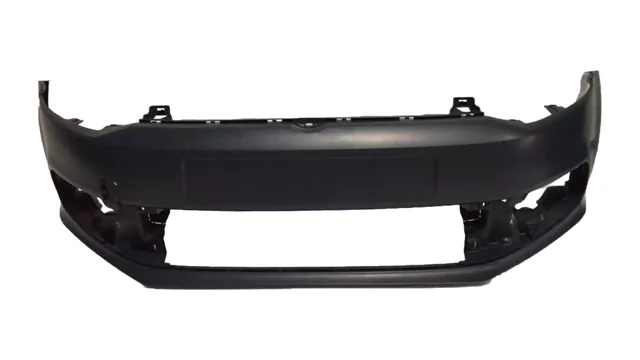 Front bumper cover
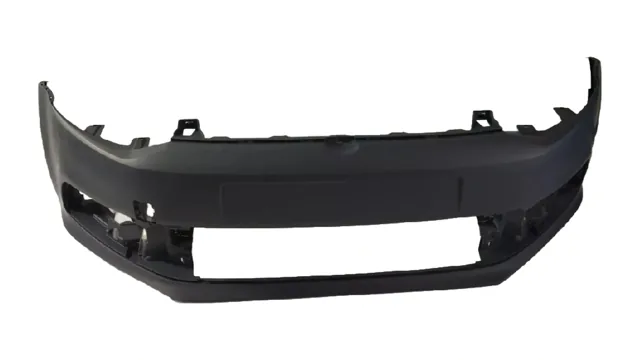 Front bumper shell
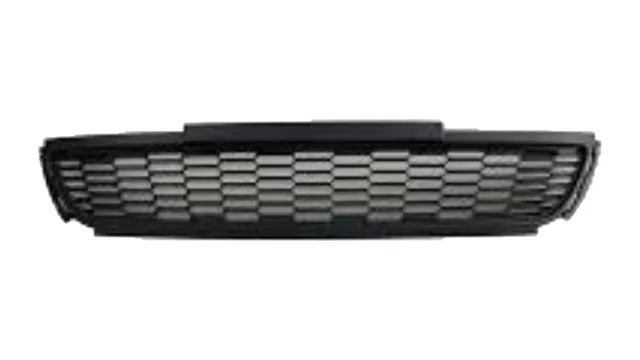 Radiator grille
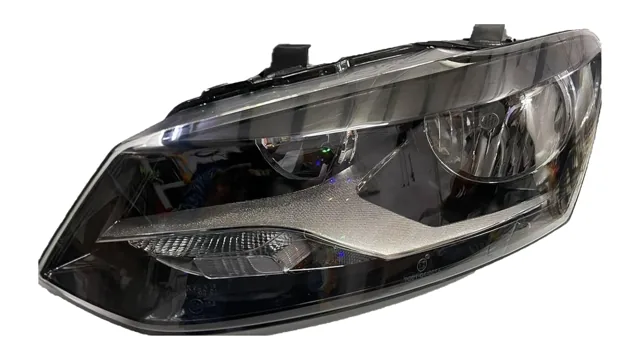 Headlamp housing
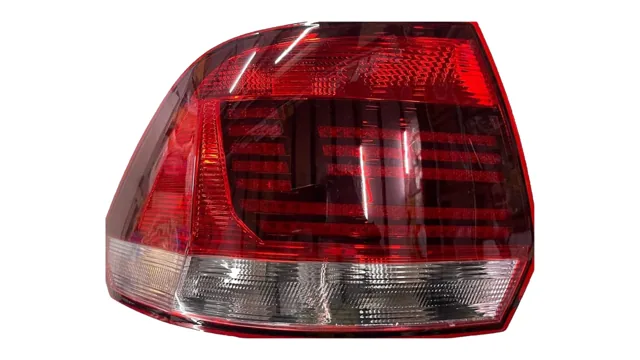 Tail lamp housing
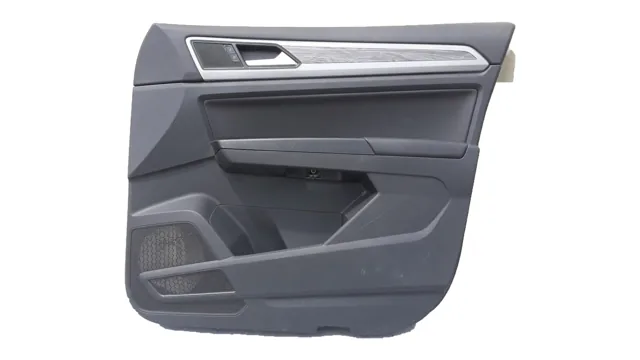 Door trim panel
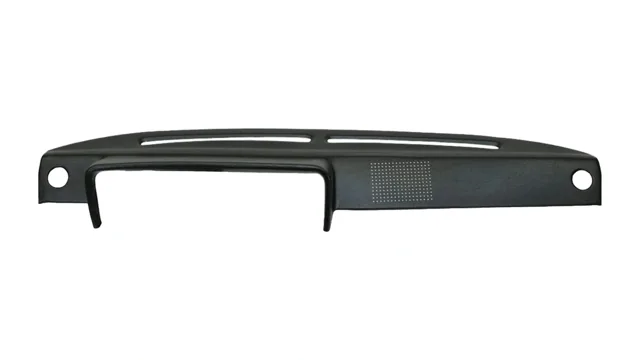 Dashboard upper shell
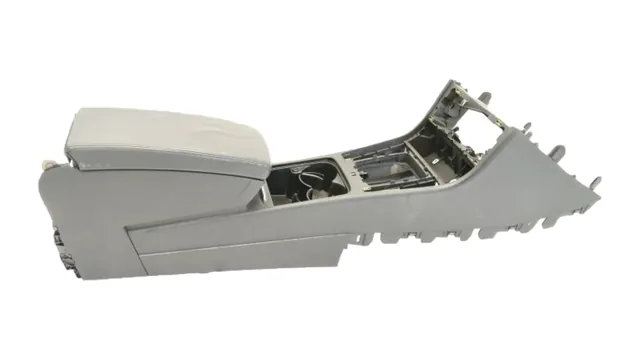 Center console
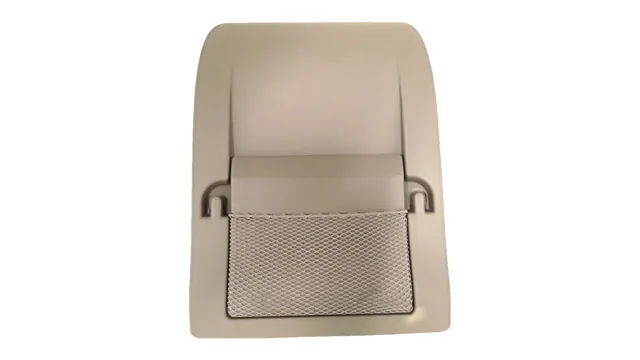 Seat back panel
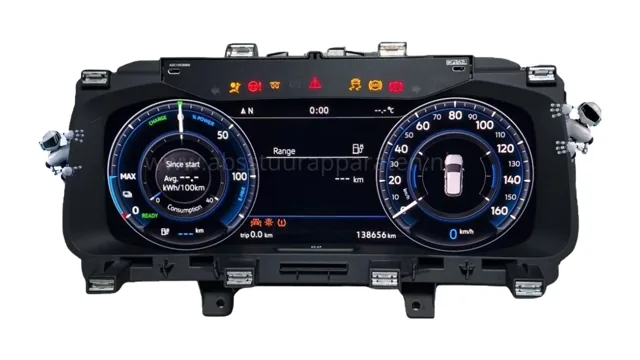 Instrument cluster housing
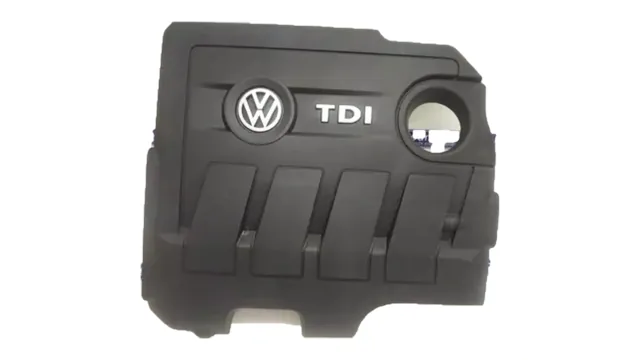 Engine cover
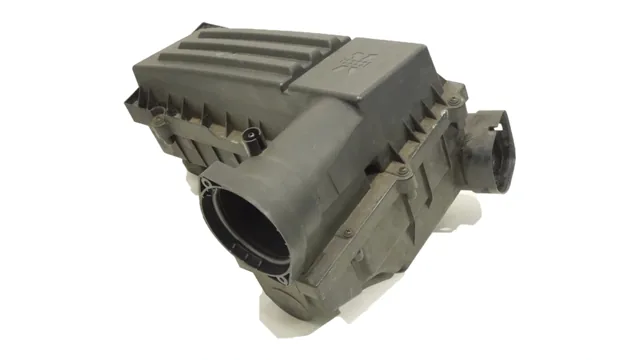 Air box
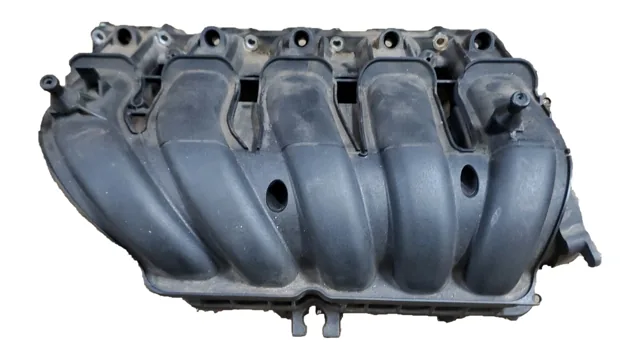 Intake manifold
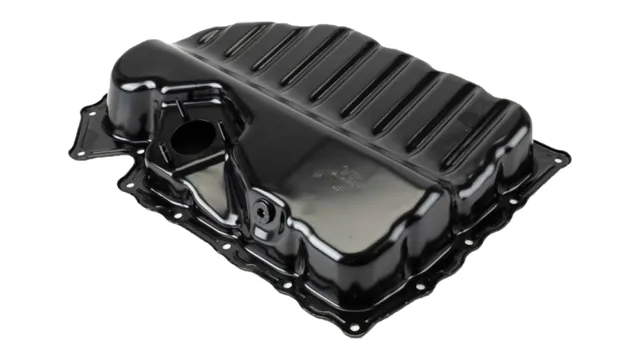 Composite oil pan
And many more medium to large plastic parts.
Excluded: thermosets.
Bigger machines, larger parts and more volume all amplify the savings.
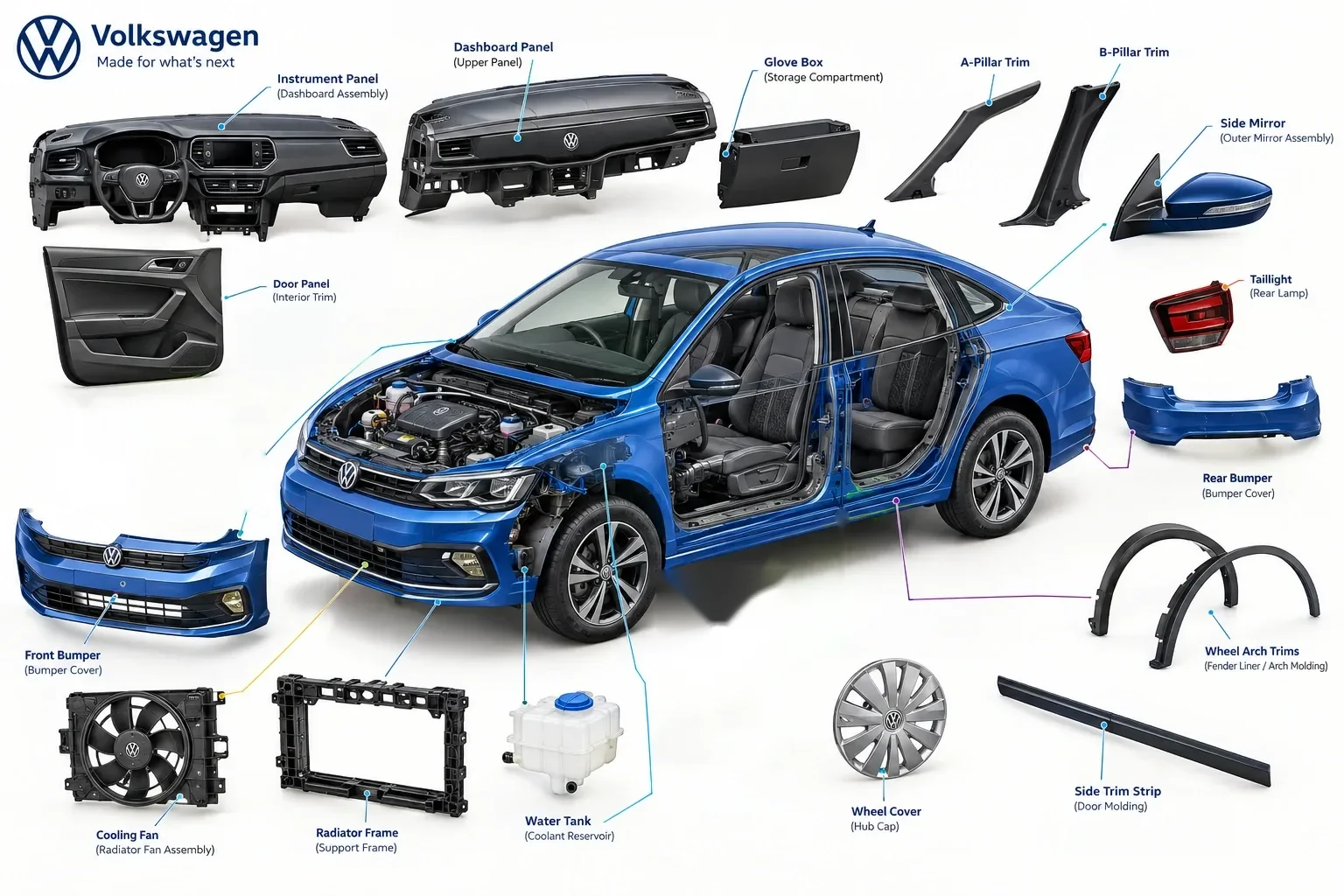
When we screen a vehicle program, these are the injection-molded parts we look at first: exterior, interior and under-hood. Not every part makes the cut; the business case decides which ones do.
Two gates, then go.
Every part has to clear two milestones before anyone schedules press time: a positive business case and technical feasibility.
NDAs signed. We identify candidate parts and molds.
Supplier cost breakdowns (CBDs) feed the business case.
If not, we pick a different set of parts and run it again.
We introduce mold insulation to the supplier and review the mold CAD.
If the insulation can’t be installed on that tool, the part drops out.
Savings agreed up front against 12% / 15% / 18% scenarios.
Scheduling, pre-workshop prep, then the on-press workshop.
Results documented and negotiations closed.
Pick 2-3 parts. Prove the technology and capture the financial + capacity benefit. Internal: plant + ops + tooling eng. Supply base: buyers + tooling eng.
Each plant manager identifies high-impact parts. Business cases developed, technical feasibility confirmed, 2026 savings budgets estimated.
Global lead PM identified. Timelines, savings tracking, budgets in place. Projects launched and tracked across plants.
Tooling specs updated to include mold insulation and 10mm tolerancing. Future product costed at the lower structure, wins new business.
| Applicable spend | Low (5%) | Mid (8%) | High (12%) |
|---|---|---|---|
| $10M | $500,000 | $800,000 | $1,200,000 |
| $20M | $1,000,000 | $1,600,000 | $2,400,000 |
| $30M | $1,500,000 | $2,400,000 | $3,600,000 |
Real-world average is ~8% to sell price across the network. CSC is paid only from the verified savings. No upfront fee.
Proof in production.
Automotive door module at a Tier 2 supplier in the Chicago area. Tier 1 sponsored the work; CSC ran the workshop on a 610-ton hydraulic Toshiba press with the panel-design tool.
Temperature stepped down progressively across both workshop days: 465 → 440 → 420 → 410 → 400 → 390 → 380 final. Cool time alone fell from 19.4s to 13.3s.
1100-ton hydraulic press, natural-gas powered facility, 620,540 units/year. After mold insulation: faster cycles, more parts per hour, dramatic CO₂ reduction over the model's run.
“We got 18% cycle time reduction without changing a single mold or machine.”
“It helped me generate additional savings of ~10% with my suppliers.”
Same method as our OEM business cases: press-hour and labour rates by press size and country, times the seconds saved per part. Energy uses 0.025 kW per press ton; CO₂ uses the grid factor for the US, Canada or Mexico. Press size from part size assumes about 2.5 tons of clamp force per square inch of part area.